
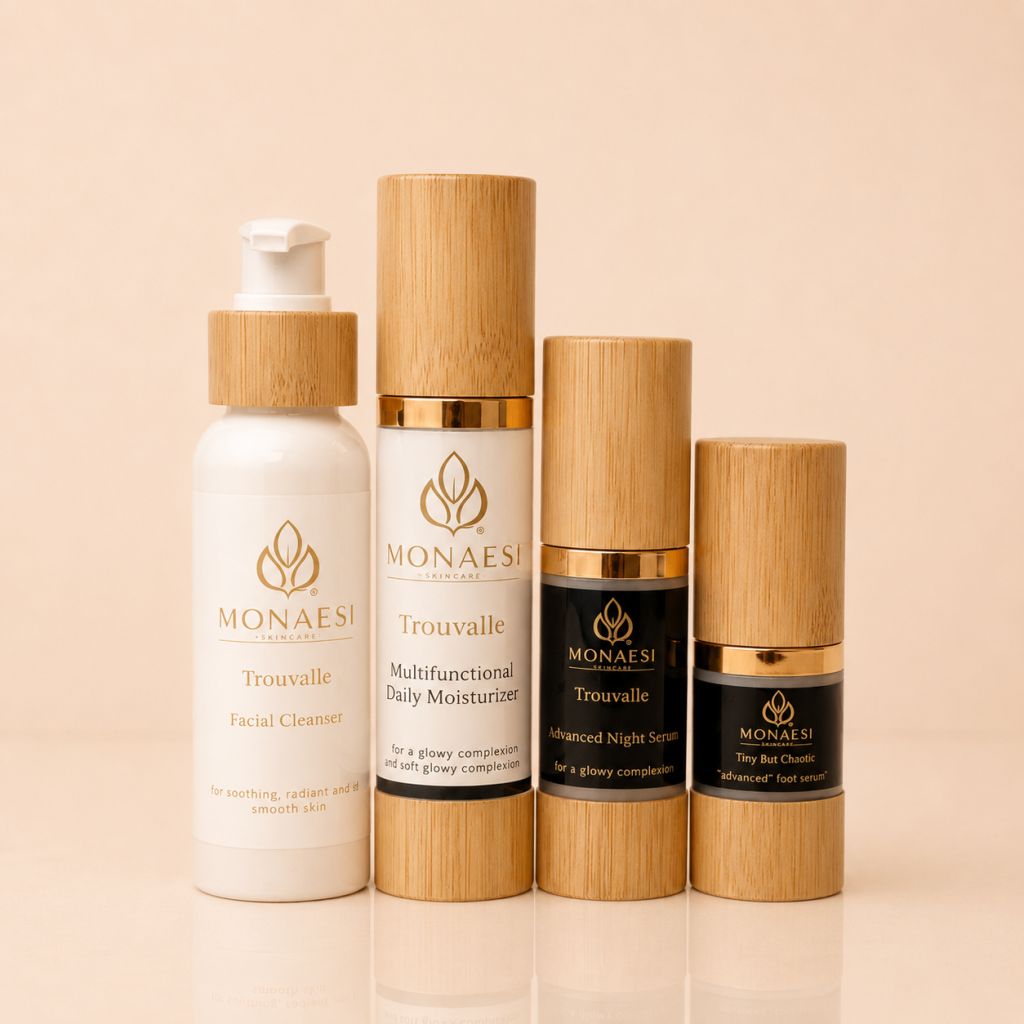
A good daily skincare routine consists of four essential steps:
Depending on your skin type, certain ingredients should be included in your products, while others should be avoided. In the accompanying tables, “must-avoid” ingredients are highlighted for each skin type. A separate, more detailed article will cover problematic ingredients in depth.
Cleansing is essential and should be done twice daily — once in the morning and once at night. This step removes:
During cleansing, there’s a complex interaction between the cleanser, your skin’s moisture barrier, and skin pH — which is why choosing the right cleanser for your skin type matters.
How cleansing affects your skin barrier:
The ideal skin pH range is 4.7 to 5.75, with the skin barrier functioning best at a pH of 5.5.
Your skin needs consistent hydration to function and look its best. The timing and technique of moisturizer application play a major role in how effective it is.
Application tip: Occlusive oils (the most commonly used moisturizing ingredient) should be applied to slightly damp skin. Right after cleansing, your skin is moist and better able to absorb active ingredients. Humectants and other hydrophilic (water-attracting) ingredients are the exception, as they can draw moisture directly from the atmosphere or deeper skin layers.
How moisturizers improve skin health:
Unprotected sun exposure is one of the leading causes of skin damage, contributing to both premature aging and skin cancer. Most dermatologists agree that the majority of skin cancers are preventable through sun protection.
Best sun protection practices:
What happens without protection: The most immediate risk of sun exposure is sunburn — under a microscope, sunburned skin shows visible damage to cells and blood vessels. With repeated sun exposure, skin becomes dry, wrinkled, discolored, and leathery. Although sun-damaged skin may look thicker, it is actually weaker.
How sunscreen works: Sunscreen blocks and absorbs UV rays using a combination of physical and chemical ingredients:
A combination of both blocking and absorbing mechanisms offers the best defense against UVA and UVB rays, both of which contribute to skin cancer and premature aging.
Understanding SPF: SPF (Sun Protection Factor) indicates how much longer it takes for UVB rays to redden your skin with sunscreen compared to without it. For example, SPF 15 means it takes 15 times longer for your skin to burn with the product than without it.
“Treatment” refers to any product used to target a specific skin concern and improve overall skin health — for example, reducing wrinkles, boosting hydration, strengthening the skin barrier, neutralizing free radicals, or increasing collagen production.
While cleansing, moisturizing, and protecting maintain your skin day to day, treatment products actively enhance your skin’s properties over time.
Common treatment ingredients and their benefits:
| Ingredient | Key Benefit |
|---|---|
| Retinol | Boosts collagen synthesis and helps prevent wrinkle formation |
| Antioxidants (Vitamin C, Vitamin E) | Neutralize free radicals in the skin |
| Peptides | Contain amino acids that support collagen and elastin restoration, improving skin structure |
| Ceramides | Help repair the skin barrier |
| Prebiotics | Support the skin microbiome, which contributes to hydration and overall skin health |
The right treatment — and the right concentration — depends on your skin type, skin health, and age. For example:
These four ingredient categories are the building blocks of most moisturizing and skin-repairing products. Understanding the difference helps you choose products with the right ingredients — and in the right amounts — for your specific skin type.
| Category | Function |
|---|---|
| Humectants | Draw water into the skin from the environment or deeper skin layers |
| Emollients | Smooth and soften the skin by filling in gaps between skin cells |
| Occlusives | Form a protective seal on the skin’s surface to prevent water loss |
| Peptides | Support collagen and elastin production to improve skin structure and firmness |
Table: Differences between humectants, emollients, occlusives, and peptides commonly used in skincare products.
Important: If your skin condition is severe or causing significant discomfort, always consult a dermatologist before starting a new routine.
What are the 4 steps of a skincare routine? The four essential steps are cleanse, moisturize, protect, and treat. Each step plays a distinct role in maintaining a healthy skin barrier and overall skin health.
What is the ideal pH for skin? The ideal skin pH range is 4.7 to 5.75, with the skin barrier functioning best at a pH of 5.5. Using a gentle, low-pH cleanser helps maintain this balance.
Should I apply moisturizer to wet or dry skin? Most occlusive moisturizers work best on slightly damp skin, applied right after cleansing, when the skin can absorb ingredients more effectively.
What does SPF actually mean? SPF (Sun Protection Factor) measures how much longer sunscreen allows you to stay in the sun before burning, compared to unprotected skin. For example, SPF 15 means it takes 15 times longer to burn than with no protection.
What ingredients should oily skin look for? Oily skin often benefits from bakuchiol, niacinamide, witch hazel, salicylic acid which helps reduce the appearance of pores and regulate oil production.
What ingredients help repair the skin barrier? Ceramides, peptides, squalane, jojoba esters, are especially effective for repairing and strengthening the skin’s natural barrier.
A consistent skincare routine built around cleansing, moisturizing, protecting, and treating — tailored to your specific skin type — is the foundation of healthy, resilient skin.